Reading your lab results without panicking
Results land in the portal before anyone has looked at them. Here is how to read the flags, what a value just outside the range usually means, and when it is worth a phone call.

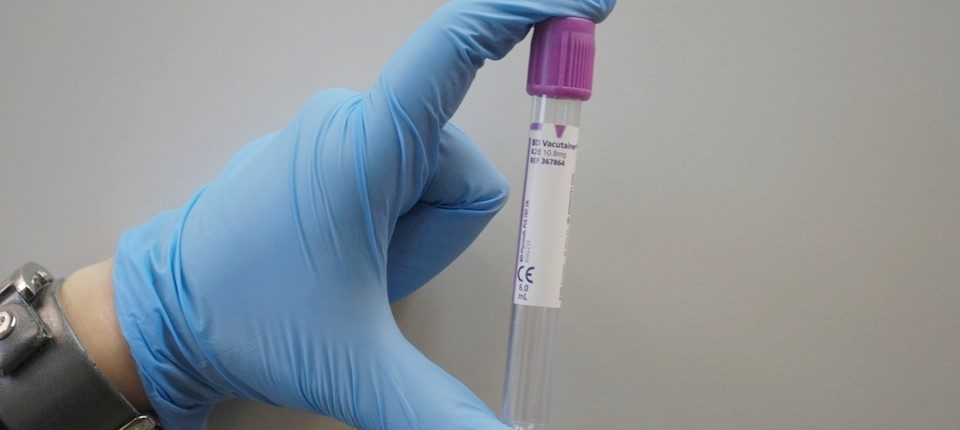
Results arrive before we have read them
Your results appear in the portal as soon as the lab releases them, which is usually before a clinician has looked at them. That is a deliberate choice — waiting a week for your own numbers is worse — but it means the first person to see a flagged value is often you.
So it is worth knowing what the flags actually mean.
What the reference range is
The range beside each result is not a boundary between healthy and ill. It is the interval that covers the middle 95% of a reference population, which means one healthy person in twenty falls outside it on any single test by definition. Run twenty tests on a well person and you should expect roughly one flag.
That is why a single value a fraction outside the range is, on its own, weak evidence of anything.
The three things a clinician looks at first
How far outside. A result 2% above the range and a result at three times the ceiling are different findings, and the flag looks identical.
Which direction, and compared to what. Your own previous results matter more than the population range. A creatinine that has been the same for six years is reassuring even sitting slightly high; one that has moved 30% since March is worth attention even inside the range.
Whether the pattern holds together. Individual values rarely mean much alone. It is the combination — several liver markers moving together, an iron picture that fits, a thyroid pair that agrees — that turns numbers into a finding.
A single number outside the range is a question. A pattern is an answer.
When to call rather than wait
Most flagged results can wait for the note that follows within a day or two. Call sooner if the result is flagged critical by the lab, if you are unwell in a way that seems connected, or if you were told before the test what specific value would need acting on.
Otherwise, waiting for the interpretation is not the same as being ignored. Every result is reviewed and you will get a message either way, including when the answer is that nothing needs doing.
What we will do with them
Compare them to your last set, read them against why the test was ordered in the first place, and either close the loop or repeat the one that moved. Repeating is common and is not a sign that something is wrong — it is how a single odd number gets turned into either a trend or a blip.

Medically reviewed by Dr. Amara Osei
MD, FACP · Internal medicine, Pearl District · Reviewed Jul 14, 2026
Keep reading
More on preventive care
What a same-day appointment actually gets you
Same-day slots are not a faster version of a routine appointment. They are a different appointment, built to answer one question quickly — and knowing which one you need saves you a week.
Read about What a same-day appointment actually gets youWhy we measure your blood pressure twice
The first reading is almost always higher than the second. That gap is not a fault in the machine or in you — it is the reason we take three and throw the first away. Here is what the numbers actually describe, and the four things that move them in the ten minutes before a cuff goes on.
Read about Why we measure your blood pressure twiceFive questions worth asking your cardiologist
What to bring to a first cardiology appointment, and what to leave. Five questions that change what happens next, from someone who answers them all week.
Read about Five questions worth asking your cardiologistBlood pressure at home: what the second number means
The number you write down at the kitchen table is not the number we take in clinic — and that is fine, as long as you know which one your doctor is treating.
Read about Blood pressure at home: what the second number means
The monthly
One email a month, from the clinic
What we published, what changed at the four clinics, and one thing worth doing this month. Written by a clinician, about 400 words, and one click to stop.