Fibre, cheaply: what a week of Portland shopping buys
Most adults get about half the fibre they need. Closing the gap is one of the cheapest changes in nutrition — here is what a week of it actually looks like on a receipt.

The gap most people have
The usual recommendation is around 30g of fibre a day for adults. Most people in the US get somewhere near half that, and the gap has more to do with what is convenient than with what is expensive.
That is the unusual thing about fibre among nutrition problems: the fix is cheaper than the problem. Almost everything high in fibre is among the least expensive food in the shop.
Where it actually comes from
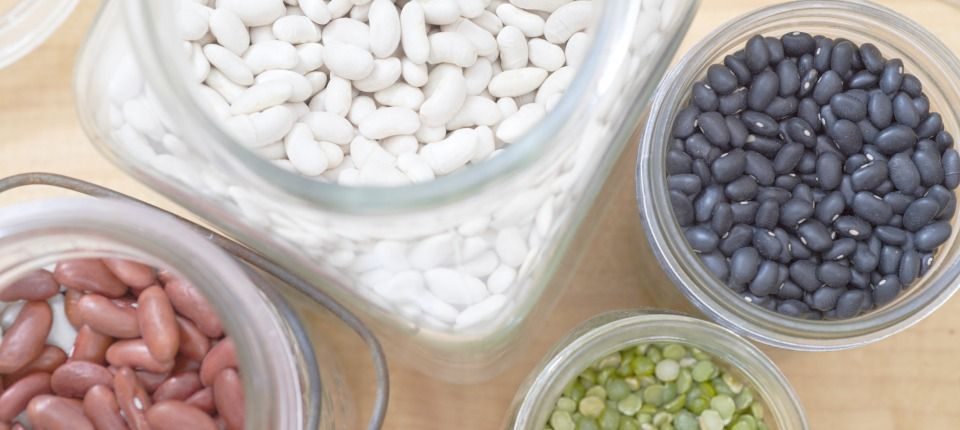
Beans, lentils and chickpeas carry more fibre per dollar than anything else you can buy. A tin of black beans is somewhere around 12g. Dried, the same money buys three or four times as much.
After that: whole oats, wholemeal bread rather than white, brown rice or barley, potatoes with the skin left on, frozen peas, frozen berries, apples, pears, carrots, and any nut or seed you like enough to actually eat.
Frozen counts. Tinned counts. The fibre does not care.
What a week looks like
Oats in the morning, which is about 4g. A tin of beans folded into something at two evening meals, which is 12g each time. Wholemeal instead of white across the week, which is another 8g or so. Fruit twice a day, potatoes with skins, peas with dinner.
None of that is a diet and none of it requires shopping anywhere in particular. It is roughly a dozen items and it lands most people close to the target without anything being weighed.
Go slowly, and drink more water
The one piece of advice worth taking seriously: increase it over two or three weeks rather than in a day. Going from 12g to 30g overnight is uncomfortable in an entirely predictable way, and it is the reason most people who try this stop.
Fibre also draws water into the gut, so more of it without more fluid tends to make things worse rather than better.
Where this does not apply
Some conditions need the opposite advice, at least for a while — active flares of inflammatory bowel disease, certain strictures, and the run-up to some procedures. If you have been told to limit fibre by a clinician who knows your history, that advice beats this article.
If you are not sure which applies to you, that is a good five-minute conversation at your next appointment rather than a decision to make from a page.

Medically reviewed by Dr. Sarah Lindqvist
MD · Primary care, Pearl District · Reviewed Jun 25, 2026
Keep reading
More on nutrition
Reading a food label in ten seconds
You do not need to read the whole panel. Three numbers and the first line of the ingredients answer most of what a label can tell you, and they take about ten seconds.
Read about Reading a food label in ten secondsWhy we measure your blood pressure twice
The first reading is almost always higher than the second. That gap is not a fault in the machine or in you — it is the reason we take three and throw the first away. Here is what the numbers actually describe, and the four things that move them in the ten minutes before a cuff goes on.
Read about Why we measure your blood pressure twiceWhat a same-day appointment actually gets you
Same-day slots are not a faster version of a routine appointment. They are a different appointment, built to answer one question quickly — and knowing which one you need saves you a week.
Read about What a same-day appointment actually gets youFive questions worth asking your cardiologist
What to bring to a first cardiology appointment, and what to leave. Five questions that change what happens next, from someone who answers them all week.
Read about Five questions worth asking your cardiologist
The monthly
One email a month, from the clinic
What we published, what changed at the four clinics, and one thing worth doing this month. Written by a clinician, about 400 words, and one click to stop.